
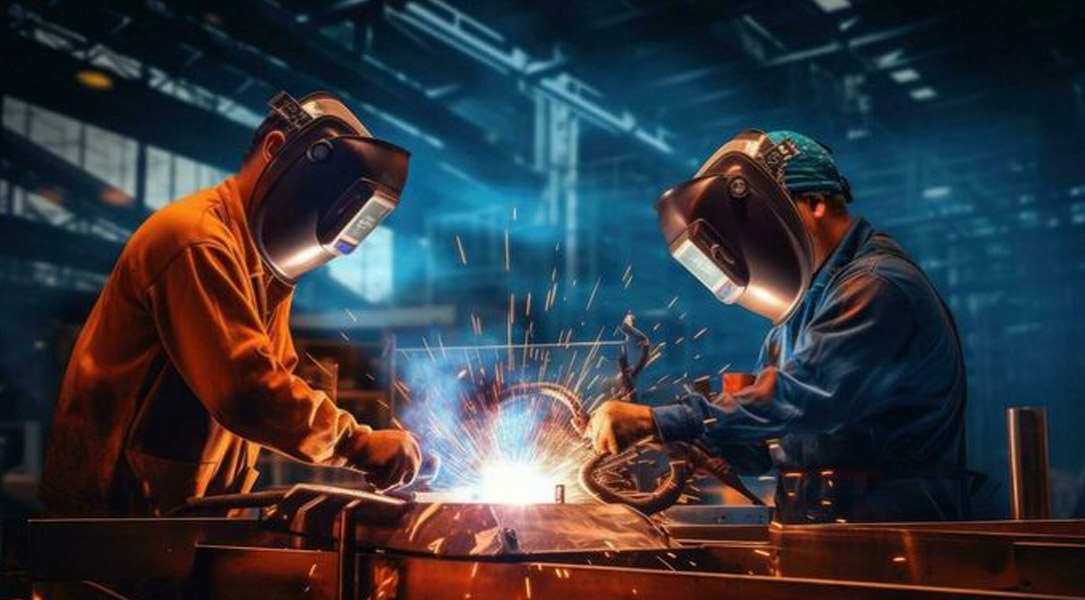
When a bad weld can cost millions, cause an explosion, or bring down a whole building, companies can’t take any chances. They need thorough inspections. That’s where CSWIP comes in; it’s clearly the best program for welding inspection.
If you want the best welding inspection course in Kochi—especially CSWIP training—you’re in the right spot. CSWIP certification opens doors in oil and gas, construction, and manufacturing industries where skilled inspectors are always in demand.
We’ve put together everything you need to know: what CSWIP certification is, where to take courses in Kochi, eligibility, career opportunities, and much more to help you get started.
What Does CSWIP Certification Mean?
CSWIP certification is a widely recognized certification available through TWI (The Welding Institute, UK). This program certifies professionals as welding inspectors for industries such as oil & gas, power generation, shipyards, construction, and manufacturing.
Honestly, if you want to step into the world of global QA/QC engineering, CSWIP is your ticket in.
- CSWIP 3.0 – Visual Welding Inspector
- CSWIP 3.1 – Welding Inspector
- CSWIP 3.2 – Senior Welding Inspector
CSWIP 3.1 is the most popular certification chosen by both freshers and experienced professionals who want to begin their career in welding inspection.
Why Opt for CSWIP Training in Kochi?
Kochi is a coastal city that is gradually becoming an important education hub for Oil & Gas courses, NDT training, and QA/QC certifications.
Many students prefer Kochi because it provides affordable technical education along with excellent Gulf job opportunities.
- Strategic location close to Middle Eastern markets
- Increasing institutes offering NDT & QA/QC training
- Affordable training fees compared to metro cities
- Strong Gulf placement opportunities
- Industry-focused practical training programs
For those planning international careers, Kochi is one of the best platforms for technical education and certification.
Things Learned in a CSWIP Course
CSWIP training is more than just theory. It teaches welding inspection through practical and technical approaches used in real industrial environments.
- Welding Processes (MIG, TIG, Arc Welding)
- Weld Defects & Discontinuities
- Different Types of Steels
- Heat Treatment & Weldability
- Visual Inspection Techniques
- Non-Destructive Testing Basics
- Welding Procedures & Approvals
- Standards and Codes (ASME, AWS)
- Industrial Safety Practices
Learning how to identify weld defects and inspection procedures is one of the most important parts of CSWIP training.
Duration of CSWIP Training Program
CSWIP training is intensive and professionally structured.
- 4 Days Training (Theory + Practical)
- 1 Day Examination
Some institutes also provide extended preparation programs lasting 7–10 days with mock tests and practical revision sessions.
Eligibility for CSWIP Course
CSWIP is not a basic walk-in course. Candidates should have technical qualifications or industrial experience before applying.
- Bachelor’s Degree or Diploma in Engineering
- ITI in Mechanical or Related Trade
- Welding or fabrication industry experience
- 3–5 years experience preferred for certain levels
Higher-level certifications like CSWIP 3.2 require additional professional experience and qualifications.
CSWIP Examination Pattern
The CSWIP exam tests both theoretical understanding and practical inspection skills.
- Theory Test (Multiple Choice Questions)
- Practical Inspection Test
- WPS/PQR Interpretation
Passing all sections is mandatory to receive CSWIP certification.
Career Prospects After CSWIP Certification
Once certified, candidates can apply for a wide range of industrial inspection and QA/QC positions worldwide.
- Welding Inspector – Inspects weld quality and compliance.
- QA/QC Engineer – Maintains quality standards in fabrication and construction projects.
- NDT Inspector – Performs testing and defect identification.
- Pipeline Inspector – Monitors pipeline safety and integrity.
- Fabrication Supervisor – Supervises welding and fabrication operations.
Industries Hiring CSWIP Professionals
- Oil and Gas Industry
- Shipbuilding Industry
- Construction Industry
- Power Plants
- Petrochemical Industries
- Offshore Projects
The importance of CSWIP certification is extremely high because industries require certified professionals to maintain quality and safety standards.
How to Choose the Best CSWIP Institute?
Not all institutes provide the same level of training quality. Choosing the right institute plays a major role in career success.
- TWI Approved Training – Choose institutes following TWI standards.
- Experienced Trainers – Trainers should have industrial inspection experience.
- Hands-On Practical Training – Practical exposure is extremely important.
- Placement Assistance – Good institutes provide Gulf placement support.
- Student Feedback – Always check previous student reviews and results.
CSWIP vs NDT – Which is Better?
This is a common question, and the answer is simple: both are highly valuable when combined.
- CSWIP focuses on welding inspection and QA/QC processes.
- NDT focuses on testing methods like UT, RT, MT, and PT.
The best career combination for industrial inspection professionals is:
- CSWIP + NDT Level II
This combination makes candidates highly demanded in inspection industries worldwide.
Benefits of CSWIP Certification
- Internationally recognized certification
- Excellent demand in Gulf countries
- Strong career growth opportunities
- Professional credibility in industries
- Attractive salary packages
CSWIP certification is more than a qualification—it acts as a career booster for technical professionals.
Challenges in CSWIP Training
CSWIP training is not always easy because it includes technical knowledge, practical inspection skills, and industrial standards.
- Large technical syllabus
- Limited preparation time
- Difficult practical assessments
- Understanding welding codes and standards
With proper preparation and guidance, candidates can successfully clear the examination.
Tips for Success in CSWIP Examination
- Understand welding defects properly
- Practice WPS and PQR interpretation
- Attend practical inspection sessions
- Review industrial standards and codes
- Practice mock tests regularly
Consistent preparation is always more effective than last-minute studying.
Future Scope of Welding Inspection
The demand for welding inspection professionals is increasing rapidly due to growth in infrastructure, offshore projects, and energy industries.
- Automation in welding inspections
- Advanced NDT technologies
- Growth in renewable energy projects
- Increasing offshore inspection projects
The future of welding inspection continues to remain highly promising worldwide.
Why CSWIP is Important in Oil & Gas Industry
The oil and gas industry operates under extremely high pressure and risky conditions. Even a small welding defect can lead to serious industrial failures.
That is why industries depend heavily on certified welding inspectors to maintain safety, quality, and reliability in operations.
Conclusion
Selecting the best welding inspection course in Kochi can make a major difference in your professional career. CSWIP certification not only improves your technical skills but also opens doors to global industries where quality and safety are critical.
If you are planning a career in QA/QC, Oil & Gas, construction, or industrial inspection, CSWIP training can help you build a stable and rewarding future.